When your little one turns 30 months, you might notice a sudden hesitation at the kitchen table, a pause before bedtime, or a shrug when asked to pick up a toy. These moments can feel like a cliffhanger in an otherwise smooth sitcom. In reality, they may signal a subtle developmental hiccup: deficits in following routine cues. Understanding these cues, spotting early warning signs, and taking gentle, targeted action can help your toddler glide back into the rhythm of daily life.
What Are Routine Cues?
Routine cues are the invisible traffic lights that guide toddlers through daily activities. They’re the familiar signals—visual, auditory, or tactile—that tell a child when to start, stop, or switch tasks. For example, Repetitive behaviors a picture of a toothbrush signals the start of brushing, a bedtime story book signals the end of play, and a soft lullaby signals sleep time.
Types of Routine Cues
- Visual cues – pictures, icons, or color-coded items. Auditory cues – spoken commands, songs, or timer sounds. Tactile cues – textures or physical prompts (e.g., a gentle tap on the shoulder).
These cues work best when they’re consistent, simple, and reinforced regularly. When a toddler struggles to interpret them, it can lead to frustration for both child and parent.
Common Deficits at 30 Months
At 30 months, most toddlers are on the cusp of mastering independent routines. However, some may exhibit deficits that manifest as hesitation or refusal to follow routine cues. Common patterns include:
- Selective responsiveness – the child follows cues for familiar tasks but not for new or less predictable ones. Delayed reaction – a noticeable lag between cue presentation and appropriate response. Misinterpretation – the child acts on the wrong cue or ignores the cue altogether.
These deficits are not a sign of laziness or willful defiance; they’re often rooted in developmental differences such as attention challenges, language delays, or sensory processing issues.
Signs to Watch
Recognizing early signs can prevent small frustrations from snowballing into larger behavioral blocks. Look for:
- Repeated “I don’t know” when prompted to transition between activities. Avoidance of visual cue boards or a tendency to ignore pictures. Inconsistent use of timers—e.g., turning off a kitchen timer but ignoring a bedtime countdown. Frequent “What’s next?” questions that linger beyond the expected response time.
A quick anecdote: When my niece, three years old, was asked to put away her crayons, she stared at the pile, then turned to me and asked, “Do I put them in the box or the bin?” That simple question revealed a routine cue deficit—she hadn’t yet internalized the visual cue that the box was the designated spot.
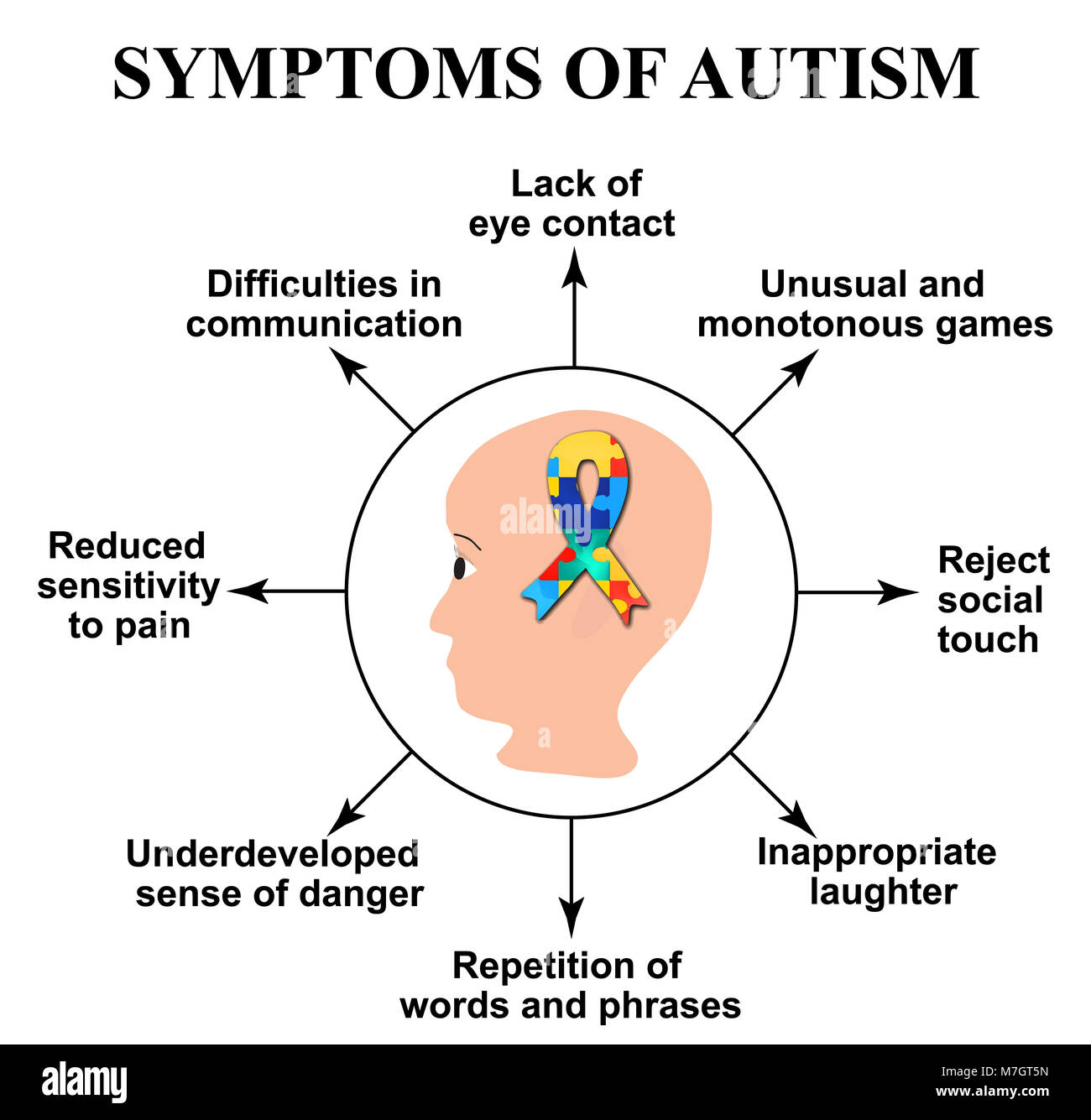
A Quote to Remember
> “The first step to learning is the willingness to follow the right cue.” – Anonymous
Strategies to Support Your Toddler
Below are evidence-based strategies that can help your child better interpret and respond to routine cues.

1. Simplify and Visualize
- Use clear, high-contrast images. Keep cue boards to a maximum of three steps. Label items with both words and pictures.
2. Repetition and Consistency
- Repeat the cue and action sequence at the same time each day. Use the same phrase each time you give a cue (“Time to brush!”). Pair auditory cues with visual ones to reinforce learning.
3. Positive Reinforcement
- Offer immediate praise (“Great job putting the crayons in the box!”). Use small rewards (stickers, extra story time) to motivate. Celebrate progress, no matter how small.
4. Create a Cue-Response Routine
- Step 1: Show the cue. Step 2: Model the action. Step 3: Let the child imitate. Step 4: Praise and reinforce.
5. Use Technology Wisely
- Simple timer apps with friendly sounds can be effective. Avoid overly complex devices that may overwhelm.
When to Seek Professional Help
If routine cue deficits persist despite consistent home strategies, it may be time to consult a professional. Early intervention https://blogfreely.net/usnaeryftn/how-to-prepare-for-a-telehealth-autism-evaluation can prevent secondary issues such as anxiety or social withdrawal. Consider the following:
- Persistent refusal to follow cues in multiple settings (home, preschool, playdates). Significant delays in language or motor skills that accompany cue deficits. Signs of sensory processing disorders—overreactions to textures or sounds.
A pediatrician, occupational therapist, or child psychologist can provide a comprehensive assessment and tailored intervention plan.
Nurturing the Next Step
You’ve reached the end of this guide, but the journey is just beginning. Think of routine cues as the scaffolding that supports your toddler’s growing independence. By patiently reinforcing these signals, you’re helping your child build a sturdy foundation for future learning.
Remember, every child’s rhythm is unique—sometimes the beat is a little off at first, but with consistent practice, the music starts to flow. Keep your cue board bright, your timer humming, and your encouragement steady. And when the next “What’s next?” pops up, you’ll be ready with the right cue to guide them smoothly forward.